
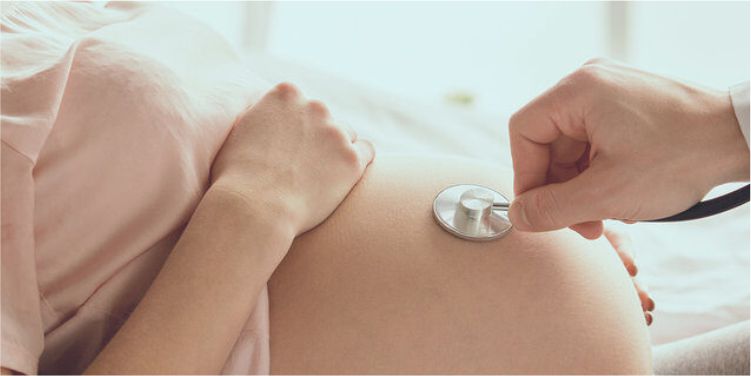
Inability to conceive often leads to feelings of frustration, anger, guilt, resentment, and inadequacy.
Couples wishing to conceive are encouraged to have frequent intercourse when conception is most likely—during the 6 days, and particularly the 3 days, before ovulation. Ovulation is most likely to occur about 14 days before the onset of the next menstrual period.
Measuring morning basal body temperature (BBT) daily can help determine when ovulation is occurring in women with regular menstrual cycles. A decrease suggests impending ovulation; an increase of ? 0.5° C suggests ovulation has just occurred. However, commercially available luteinizing hormone (LH) prediction test kits, which identify the midcycle LH surge, are probably the best way for women to determine when ovulation occurs and are less disruptive than measuring BBT. BBT can be useful if women cannot afford or do not have access to LH prediction kits. There is no evidence that any test determining when ovulation occurs improves the likelihood of pregnancy in couples having regular intercourse.
Excessive use of caffeine and tobacco, which can impair fertility, is discouraged.
Evidence that men > 45 are less fertile than younger men, regardless of their female partner's age, is increasing.
All Departments
-
 MD Medicine
-
Pulomonology And Respiratory Case
-
General & laparoscopic Surgery
-
Orthopedic , Trama & Joint Replacement
-
Gynaecology , Obstetrics & Infertility
-
Pediatrics And Neonatal Care
-
Cardiac Medicine And Cardiac Surgery (CTVS)
-
Gastroenterology
-
Neuro Medicine And Neuro surgery
-
Nephrology
-
Urology
-
Burn , Plastic & Reconstruction Surgery
-
Endocrinology & Dialectology
-
Onco Medicine And Surgery
-
Anesthesia And Critical Care
-
ENT
-
Pain Management & Physiotherapy
-
Dermatology
-
Pathology
-
Psychology
-
Radiology
-
OMFS